

 Image 1 of 4
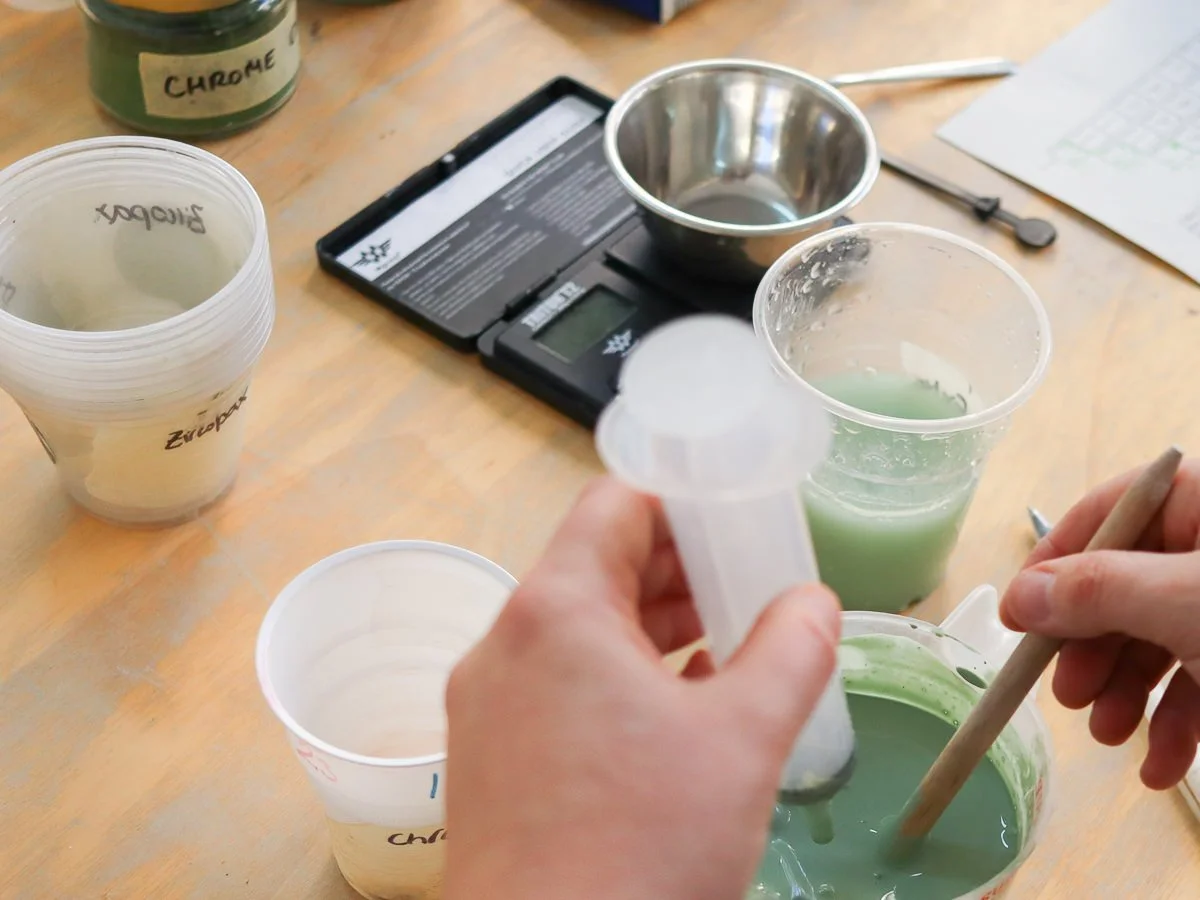 Image 2 of 4
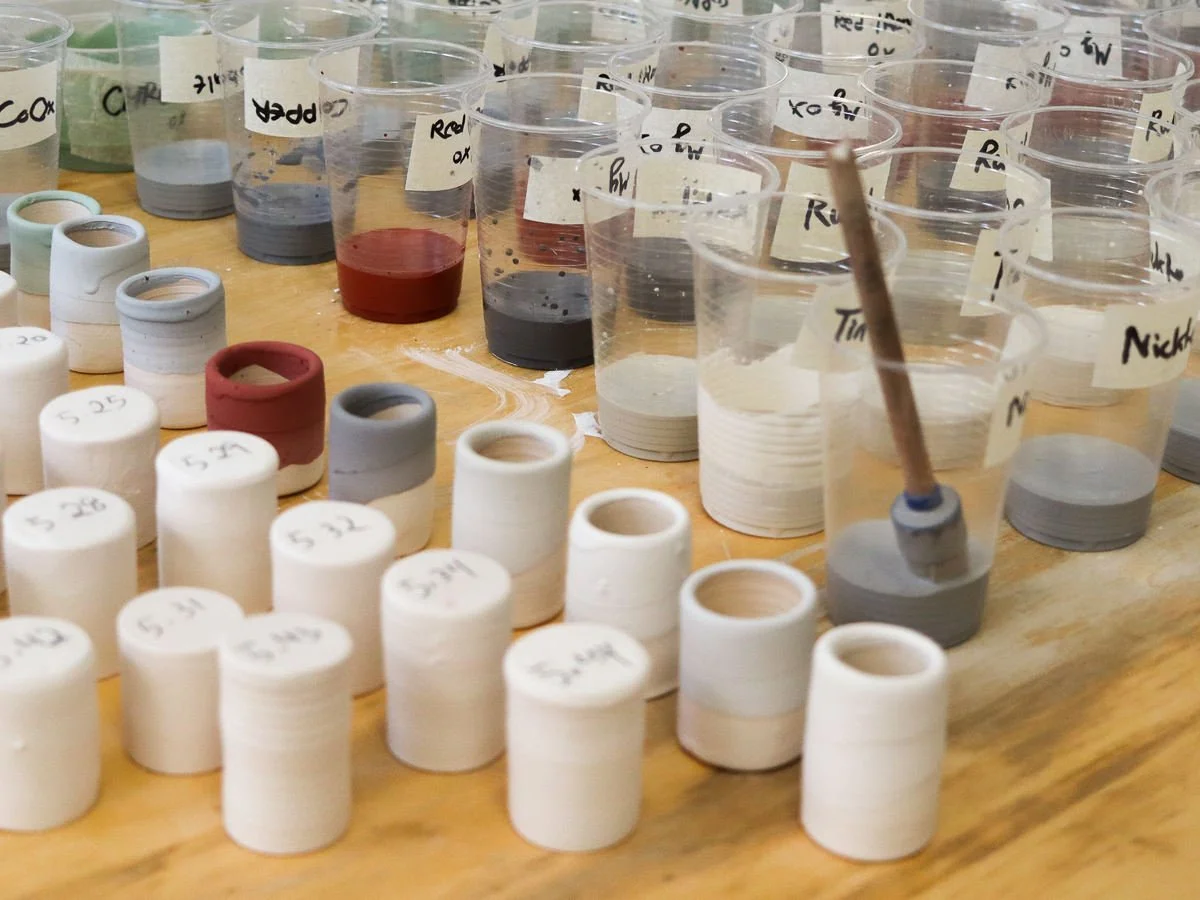 Image 3 of 4
 Image 4 of 4
For potters who already mix and test glazes but feel stuck diagnosing issues or intentionally evolving a glaze, this one-to-one session gives you the practical glaze chemistry knowledge, focused support, and step-by-step strategies to troubleshoot and refine your glazes.
What we cover:
Glaze formulation: The basic glaze chemistry and tools you need to develop unique glazes attuned to your creative preferences (colour, opacity, movement, texture, and durability).
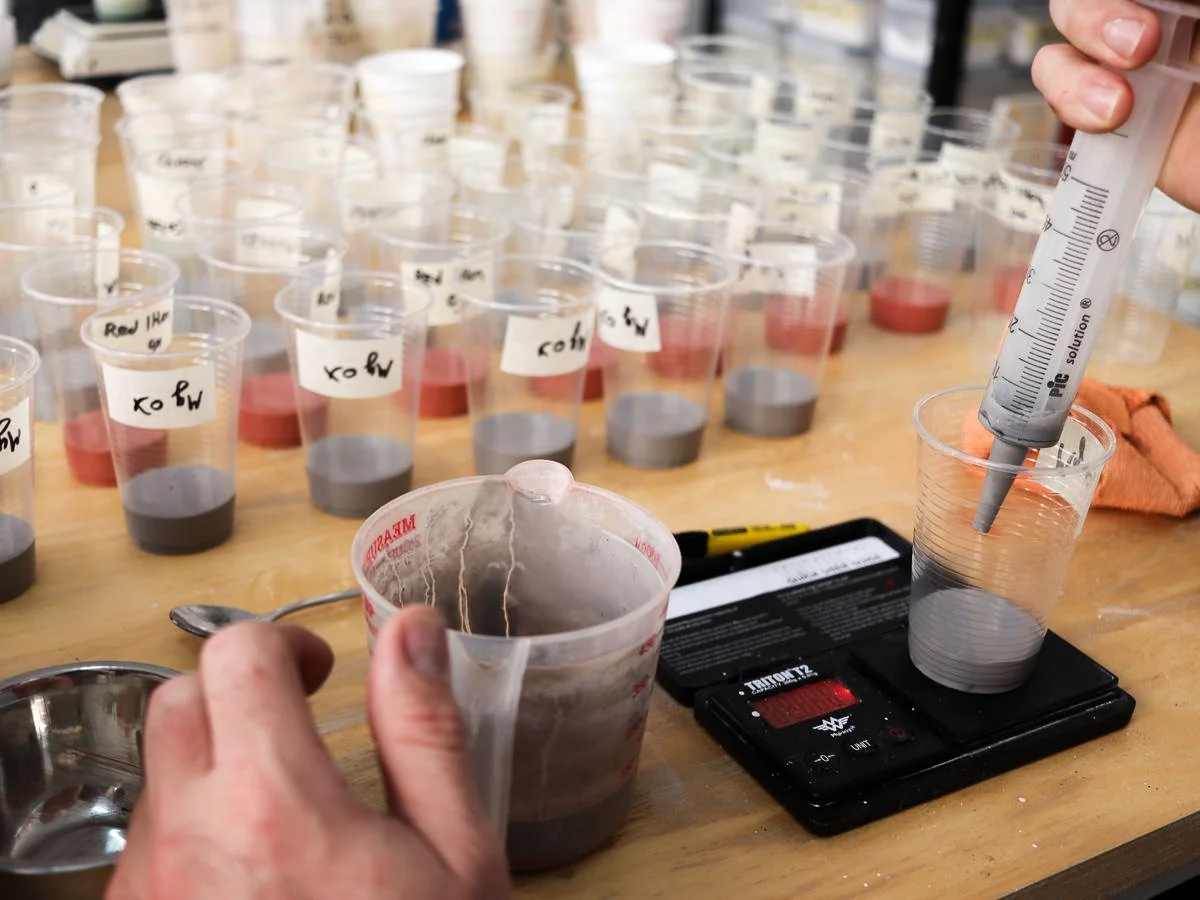
Testing strategies: Practical, repeatable methodologies to move your glazes forward (e.g. line blends, material substitutions, UMF mappings etc.)
Troubleshooting & refinement: Review of recipes, materials, clay bodies and firing schedules to diagnose the possible causes of defects and inconsistencies (e.g. crazing, crawling, pinholing, blistering, dunting, unexpected colour shifts), and development of targeted adjustments to resolve them.
Tools & resources: Raw materials conversion tables, glaze chemistry calculators (UMF), online tools (www.glazy.org) and other reference tools to document recipes, model changes, and adapt formulations to your studio’s workflow, materials, firing schedules and kiln profile.
How it works:
One-to-one session, online or in-person depending on your preference.
Before the session you’ll be asked to share: current recipes, photos of test tiles/ware, clay body info, lists of raw materials (with supplier names if possible), and typical firing schedule.
During the session we’ll review your material, create a clear test plan, model likely changes, and agree on next steps you can implement and document.
After the session you’ll receive a customized testing plan, ingredient substitution list, annotated recipe(s), and recommendations for further trials.
Expected outcomes:
Bespoke glaze development: support and guidance in the design and refinement of custom glazes tailored to your clay body, firing range, and aesthetic goals.
Clear understanding of the likely causes behind your glaze behaviour, allowing you to move from trial-and-error to a systematic, chemistry-informed workflow that saves time and materials.
Refinement of your existing recipe/s with a clear strategy for next steps, including a practical, prioritized testing plan and recipe adjustments you can implement immediately.
Practical troubleshooting steps, and the ability to use glaze chemistry tools to iterate and continue refining glazes independently.
Material substitution recommendations for replacing hard-to-find or problematic ingredients with accessible, compatible alternatives.
Testing protocols and next steps: a step-by-step testing plan (test tile layouts, recommended application thicknesses, firing schedule adjustments, and documentation templates) plus prioritized next actions to move from trial to repeatable results.
Expect clear, practical advice you can apply immediately, with an emphasis on reproducible results and mindful studio practice.
For potters who already mix and test glazes but feel stuck diagnosing issues or intentionally evolving a glaze, this one-to-one session gives you the practical glaze chemistry knowledge, focused support, and step-by-step strategies to troubleshoot and refine your glazes.
What we cover:
Glaze formulation: The basic glaze chemistry and tools you need to develop unique glazes attuned to your creative preferences (colour, opacity, movement, texture, and durability).
Testing strategies: Practical, repeatable methodologies to move your glazes forward (e.g. line blends, material substitutions, UMF mappings etc.)
Troubleshooting & refinement: Review of recipes, materials, clay bodies and firing schedules to diagnose the possible causes of defects and inconsistencies (e.g. crazing, crawling, pinholing, blistering, dunting, unexpected colour shifts), and development of targeted adjustments to resolve them.
Tools & resources: Raw materials conversion tables, glaze chemistry calculators (UMF), online tools (www.glazy.org) and other reference tools to document recipes, model changes, and adapt formulations to your studio’s workflow, materials, firing schedules and kiln profile.
How it works:
One-to-one session, online or in-person depending on your preference.
Before the session you’ll be asked to share: current recipes, photos of test tiles/ware, clay body info, lists of raw materials (with supplier names if possible), and typical firing schedule.
During the session we’ll review your material, create a clear test plan, model likely changes, and agree on next steps you can implement and document.
After the session you’ll receive a customized testing plan, ingredient substitution list, annotated recipe(s), and recommendations for further trials.
Expected outcomes:
Bespoke glaze development: support and guidance in the design and refinement of custom glazes tailored to your clay body, firing range, and aesthetic goals.
Clear understanding of the likely causes behind your glaze behaviour, allowing you to move from trial-and-error to a systematic, chemistry-informed workflow that saves time and materials.
Refinement of your existing recipe/s with a clear strategy for next steps, including a practical, prioritized testing plan and recipe adjustments you can implement immediately.
Practical troubleshooting steps, and the ability to use glaze chemistry tools to iterate and continue refining glazes independently.
Material substitution recommendations for replacing hard-to-find or problematic ingredients with accessible, compatible alternatives.
Testing protocols and next steps: a step-by-step testing plan (test tile layouts, recommended application thicknesses, firing schedule adjustments, and documentation templates) plus prioritized next actions to move from trial to repeatable results.
Expect clear, practical advice you can apply immediately, with an emphasis on reproducible results and mindful studio practice.