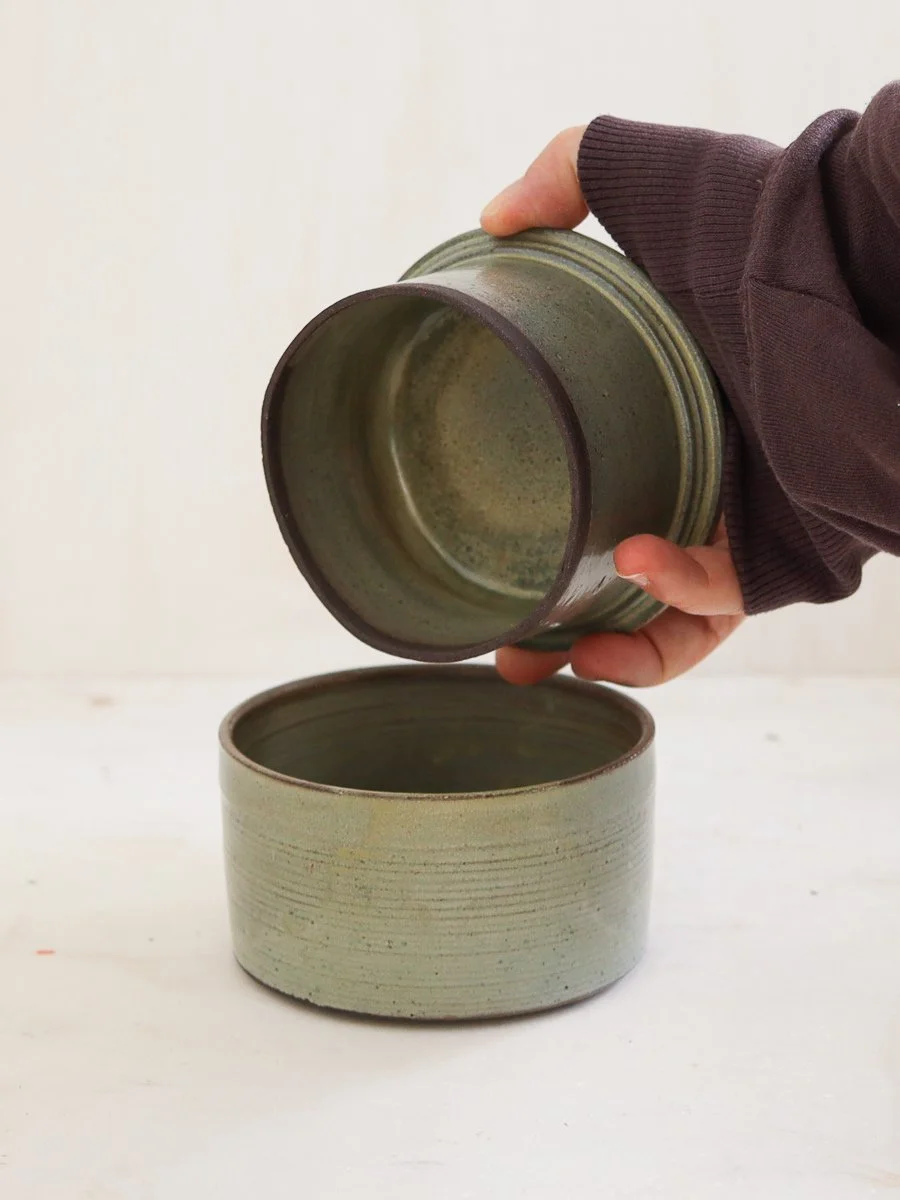
Butter Bell - Lichen (Second)

Sale Price: €35.00 Original Price: €50.00
Limited Availability

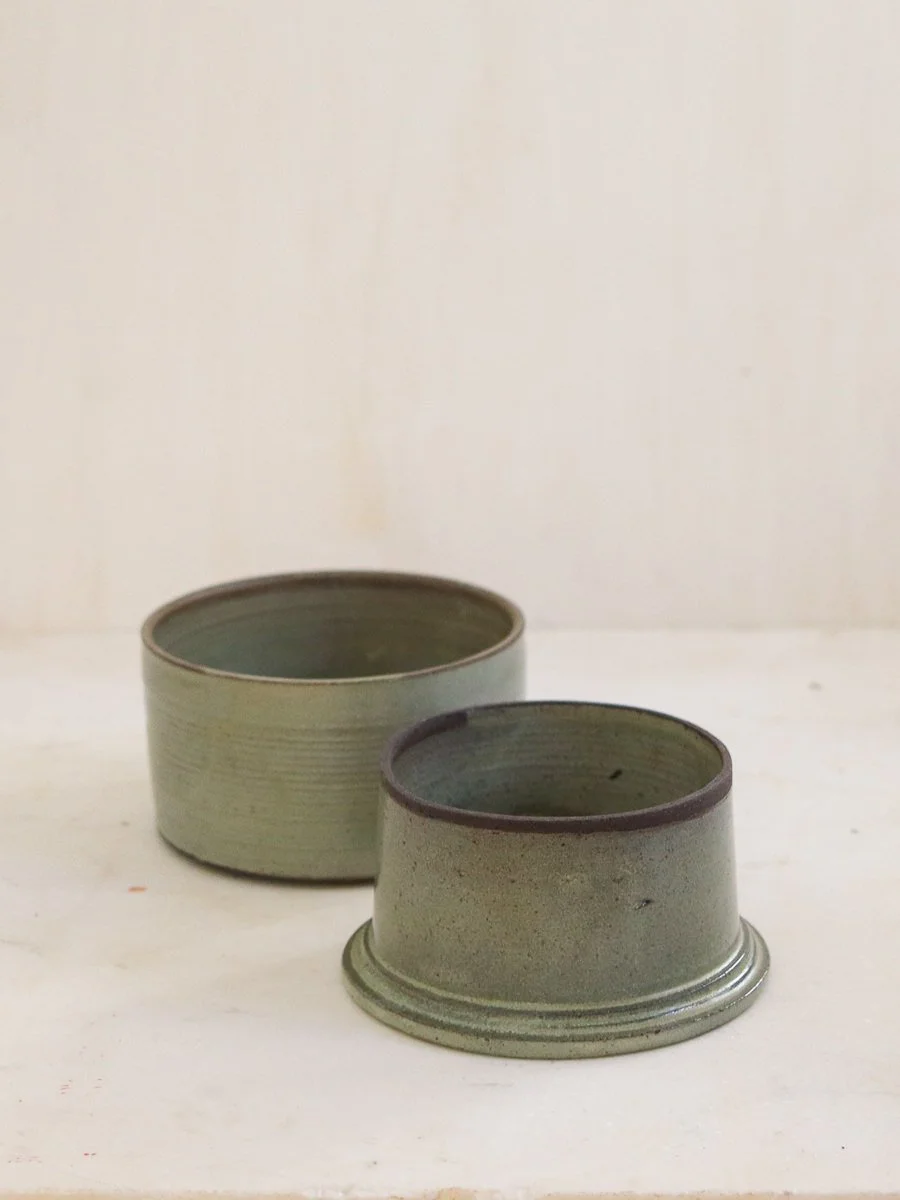
Handmade Stoneware Butter Bell

Inspired by traditional French butter bells, these two part butter dishes (also known as butter crocks and butter keepers) make it possible for you to keep your butter outside your fridge so that it is always both fresh and perfectly spreadable.

Designed to keep butter fresh long before fridges and electricity, these butter bells rely on traditional wisdom using the knowledge that creating a vacuum and using salt both help preserve perishable food for long periods even in warmer temperatures.

How do they work?

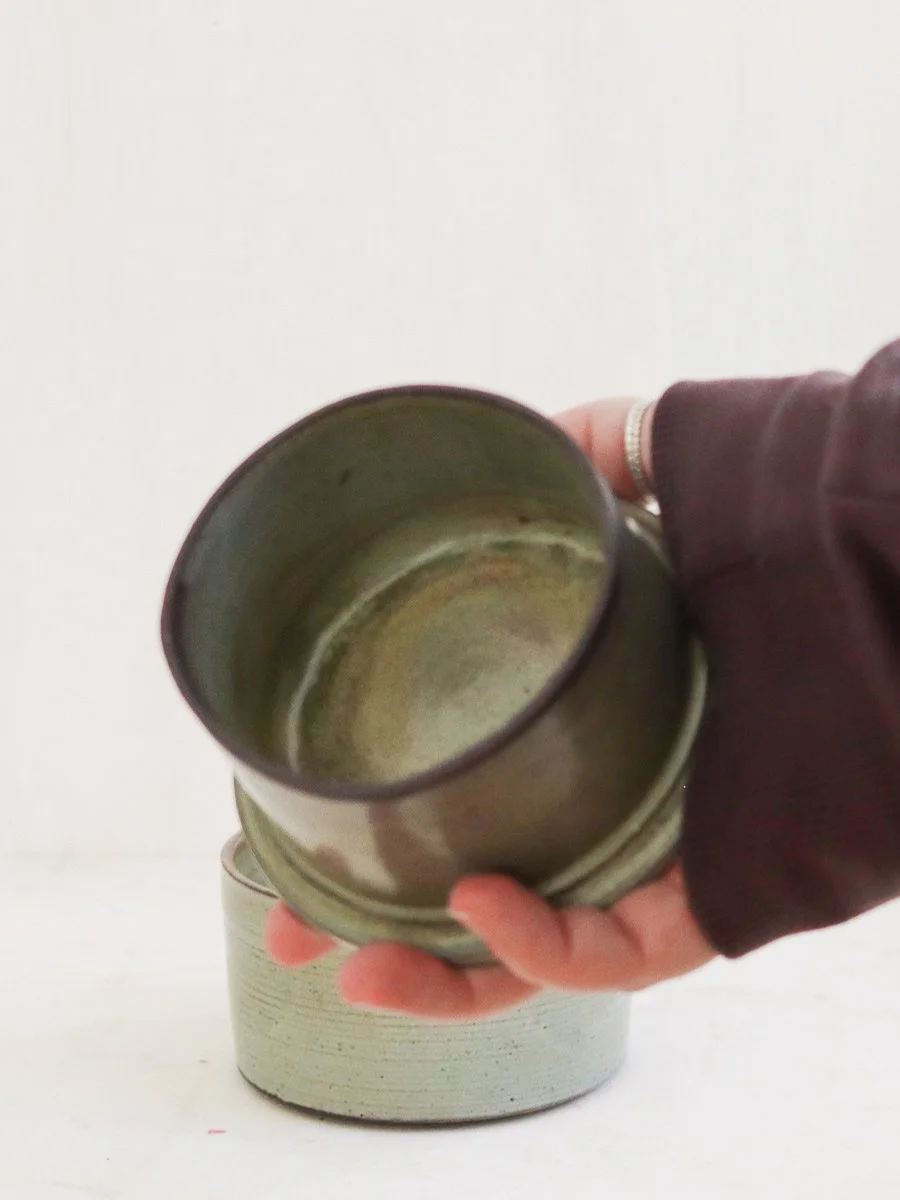
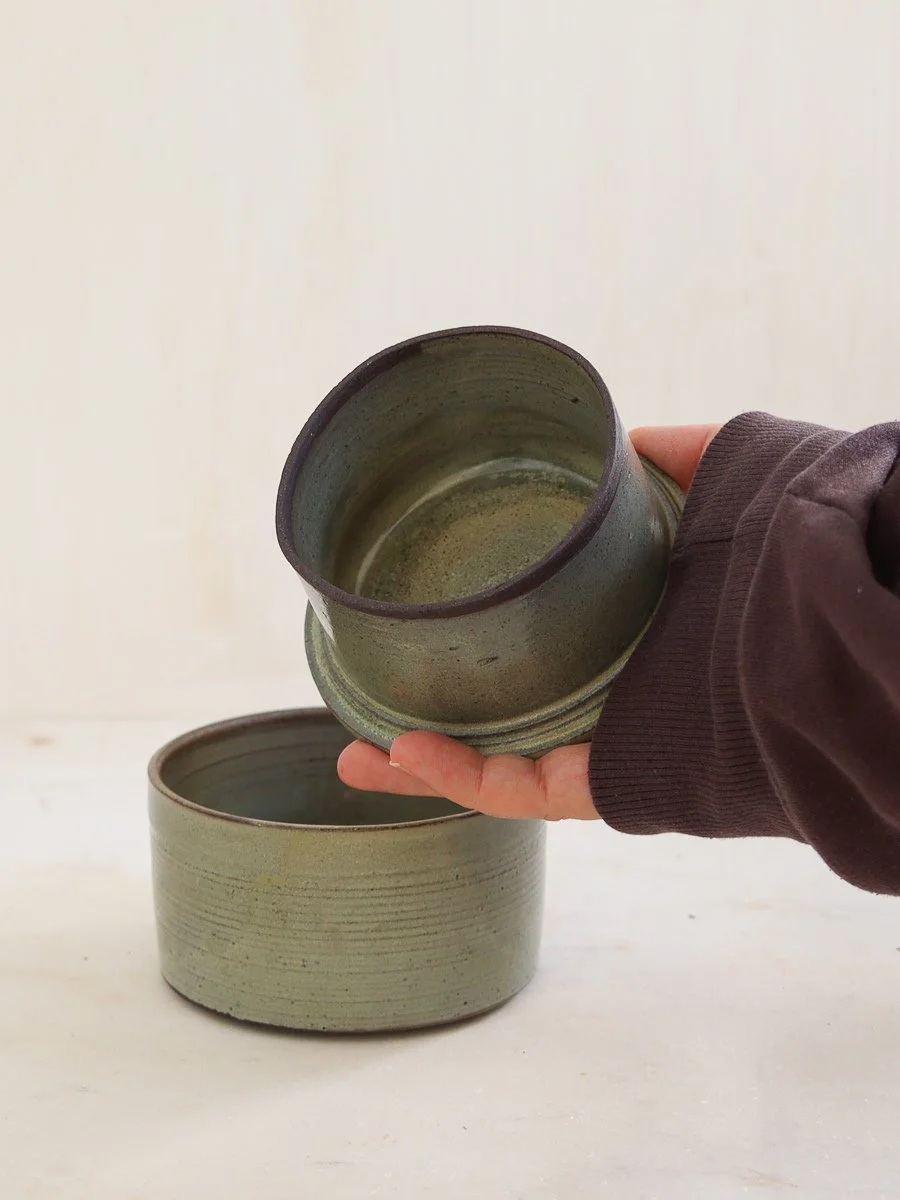
  1. Let your butter warm to room temperature and then pack it into the “lid” of the butter bell.

  2. Put about 1-1.5 cm of water into the other part of the butter bell and add salt to that water. Keep adding salt until it no longer dissolves, thereby creating a salt solution which will help to keep your butter absolutely fresh.

Once the two parts of your butter bell are prepped all you need is to put them back together again. The butter and water won’t mix (because oil and water don’t). But the salt solution will create a vacuum across the surface of your butter which will prevent it from going rancid. This makes it possible to store your butter outside your fridge, keeping it fresh and perfectly spreadable at all times.

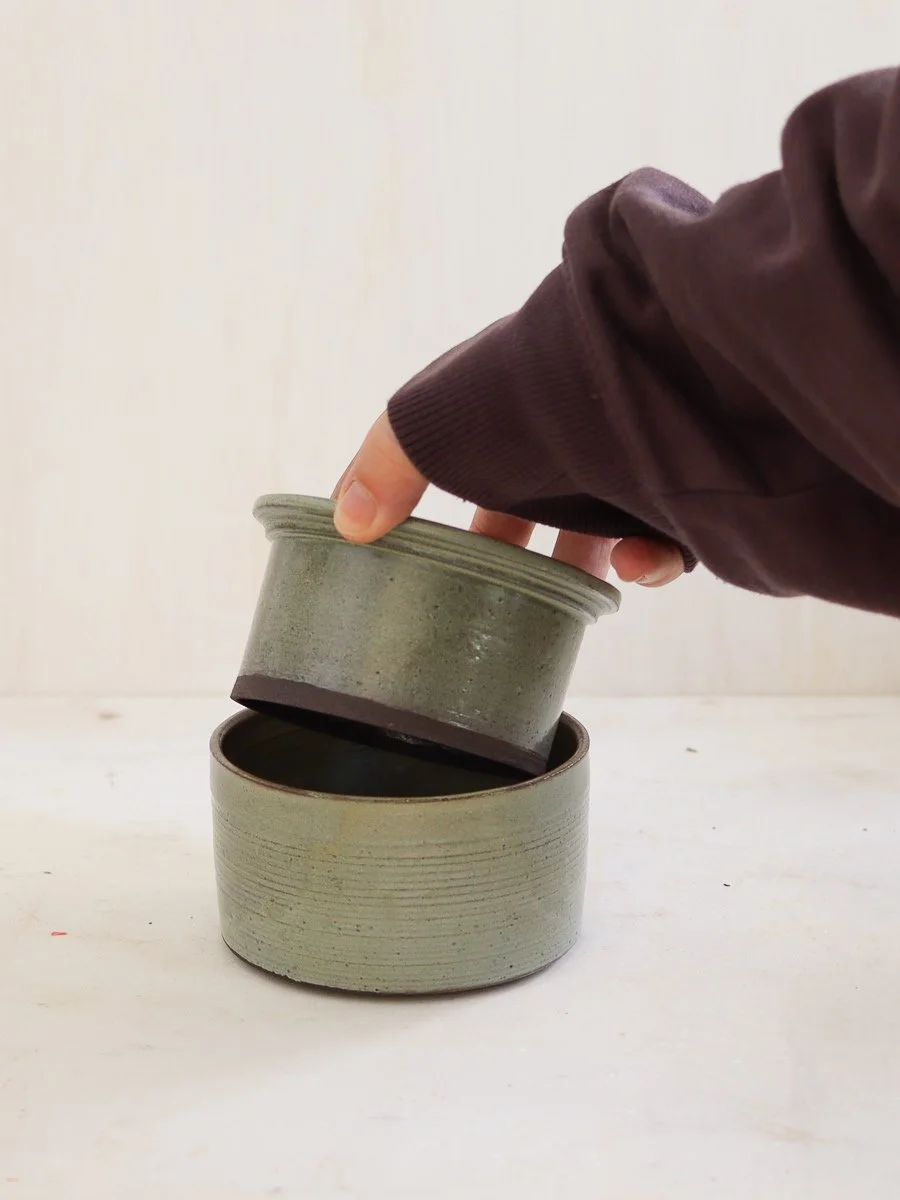
Perfectly Imperfect: The lid of this butter bell warped during the glaze firing in the kiln because of the way I placed it on the kiln shelf. It’s a little wonky (as pictured) but still fits perfectly into the other half of the butter bell and in no way affects the safety, functionality or durability of the piece.

Handmade Stoneware Butter Bell

Inspired by traditional French butter bells, these two part butter dishes (also known as butter crocks and butter keepers) make it possible for you to keep your butter outside your fridge so that it is always both fresh and perfectly spreadable.

Designed to keep butter fresh long before fridges and electricity, these butter bells rely on traditional wisdom using the knowledge that creating a vacuum and using salt both help preserve perishable food for long periods even in warmer temperatures.

How do they work?

  1. Let your butter warm to room temperature and then pack it into the “lid” of the butter bell.

  2. Put about 1-1.5 cm of water into the other part of the butter bell and add salt to that water. Keep adding salt until it no longer dissolves, thereby creating a salt solution which will help to keep your butter absolutely fresh.

Once the two parts of your butter bell are prepped all you need is to put them back together again. The butter and water won’t mix (because oil and water don’t). But the salt solution will create a vacuum across the surface of your butter which will prevent it from going rancid. This makes it possible to store your butter outside your fridge, keeping it fresh and perfectly spreadable at all times.

Perfectly Imperfect: The lid of this butter bell warped during the glaze firing in the kiln because of the way I placed it on the kiln shelf. It’s a little wonky (as pictured) but still fits perfectly into the other half of the butter bell and in no way affects the safety, functionality or durability of the piece.

Festive Zen - Christmas Decorations
Sets:
 
  • Ø: 10 cm
 (approx.)
    Height: 6 cm

    The lid holds approx. 200g of fresh butter.

    *Individually made by hand, each piece will have its own unique variations.

  • My ceramics are individually handcrafted from high quality stoneware clays, locally sourced within Europe. The natural raw materials I use to create my glazes are also sourced from local and/or European suppliers.

    This means that although my clays and materials have to travel to get to me, they mainly go by land or sea, substantially lowering their carbon footprint.

    As far as possible, I choose suppliers who prioritise sustainability and human rights in their supply chains, particularly for raw materials with complex footprints (e.g. cobalt).

  • Vitrification:

    I fire all my stoneware ceramics to vitrification (depending on the type of clay, this means the pots go up to a top temperature of approx. 1285°C in the kiln during the glaze firing).

    During the process of vitrification, the raw materials in the clay melt and fuse together, forming an almost glass-like ceramic with very low porosity and high durability.

    This ensures that your ceramics will be as strong as possible and should last for many years to come.

    Glazes:

    All my glazes are carefully developed in-house and made from scratch in my pottery studio. Through meticulous application of glaze chemistry, I am able to ensure that my glazes are durable and food-safe, as well as, of course, being lead-free.

  • Your pot is dishwasher safe. Hand-washing is, of course, more gentle as dishwashers inevitably make micro scratches on the surfaces of any glassware and ceramics. But your pot is tough and durable - so it really isn’t necessary to hand wash it unless you would like to.

    Your piece is also microwave safe. The only thing to be aware of is thermal shock - for example, taking a very hot pot and placing it directly on a cold surface may cause either the bowl or the surface to crack. However, your pot is strong and should be able to withstand most normal day-to-day use without any “babying”.